

 Contact us
 Visit CPRE.org
 Donate
River Wye and Catchment

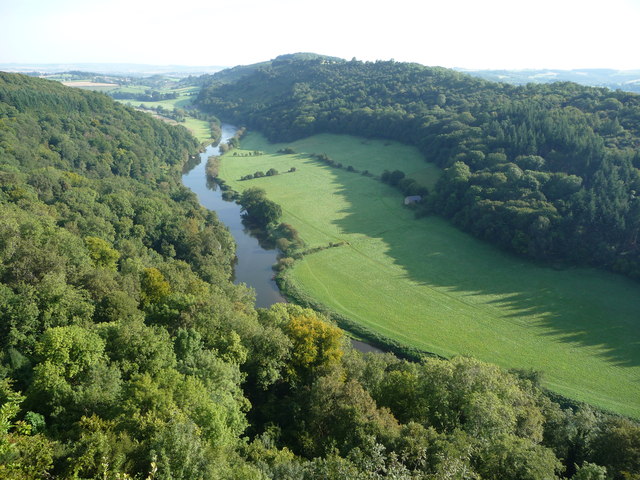
The River Wye is one of the most important rivers in Britain, and it runs through the heart of our Herefordshire landscape. It rises on Plynlimon (or Pumlumon in Welsh) in mid Wales and flows around 250 km (155 miles) to join the Severn Estuary at Chepstow, which makes it one of the UK’s longest rivers. The Wye catchment covers more than 4,000 square kilometres across Wales and England. It includes tributaries such as the Lugg, Arrow, Frome and Monnow.
The Wye is protected as a Special Area of Conservation (SAC) and a Site of Special Scientific Interest (SSSI). It is home to Atlantic salmon, otters, white-clawed crayfish and the water crowfoot that once carpeted its riverbed. The river also supports tourism, angling and canoeing, which bring visitors and income to our county.
For many of us the river is a constant presence. It looks beautiful and seems timeless, but the truth is that this great river is slowly dying. Runoff from farmland, especially phosphate from intensive poultry manure, combined with sewage discharges, is feeding algal blooms that starve the water of light and oxygen. In May 2023, Natural England downgraded the condition of the River Wye to “unfavourable – declining”.
Alongside Save the Wye, Friends of the Wye and Wye Salmon Association, plus assistance from the Wildlife Trust, the Manifesto to Save the Wye was created. Please share this with others and support us if you are able. We need to heighten the publicity of the river’s plight and put pressure on government agencies to take immediate remedial action. It is man’s pollution of our river that is the cause. Action is needed today.
Read our Manifesto to Save the Wye here
In 2021 we joined forces with a group of organisations including Cardiff University, the Environment Agency, the Wye and Usk Foundation and Friends of the Upper Wye to create our Citizen Science project to log weekly samples from the whole River Wye catchment area. Around 500 volunteers provide data which shows that 72 -73% of phosphate pollution in the Wye Catchment comes from agriculture, more specifically from the vast concentration of intensive poultry units in the Wye Catchment. These large chicken farms (or IPUs) have resulted in thousands of tons of chicken litter (which is high in phosphate) being spread on farm land.
Wye Viz
Wye Viz is the online database created to show every result from our River Wye and Catchment citizen science project. It’s open source and free for everyone to use, whether you’re a local resident, a farmer, a researcher or a journalist. On it you can see how water quality changes across the Wye catchment, site by site and season by season. The Environment Agency and other regulators use the data to understand where pollution is coming from and where action is needed.

River Wye in crisis
Agricultural pollution and sewage are harming the River Wye. We must act now to protect this tranquil beauty.
Read more
Phosphate pollution
Phosphate pollution can cause excessive growth of algae, which can decrease the level of oxygen dissolved in river water.
Read more