

 Contact us
 Visit CPRE.org
 Donate
The planning process
How the planning system works
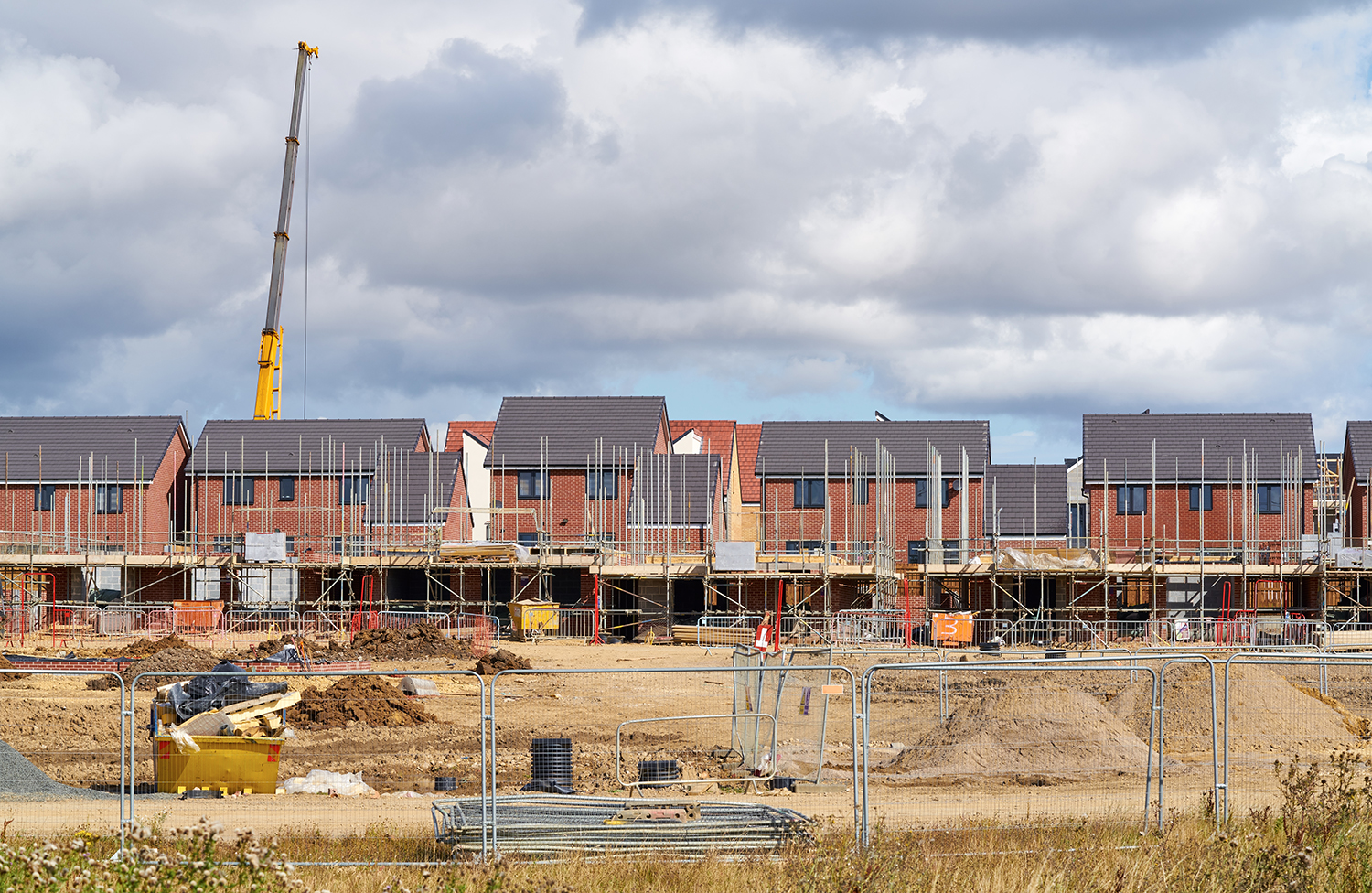
The planning system decides what can be built and where. It has changed a great deal in recent years, and more changes are on the way. CPRE agrees that the system needs improving, but we want to make sure that the countryside, nature and local communities are not sacrificed in the rush to build.
Recent changes
- The Planning and Infrastructure Act 2025 became law on 18 December 2025. It introduces a Nature Restoration Fund, under which developers can pay a levy towards nature recovery. It also sets a national scheme for which applications planning committees decide, requires committee members to be trained, and creates new strategic plans covering several council areas.
- A new National Planning Policy Framework was published in August 2026. It includes a new chapter of national decision-making policies that apply directly to planning applications.
- A new system for preparing local plans came into force on 25 March 2026, with councils expected to prepare new plans within 30 months.
Every planning application is judged against a set of planning documents:
- The government’s National Planning Policy Framework (NPPF)
- The local plan prepared by the council
- A neighbourhood development plan, if the parish has one
The local planning authority, in our case Herefordshire Council, decides whether a planning application can go ahead.
National Planning Policy Framework (NPPF)
The NPPF sets out the government’s planning policies for England, covering the economic, social and environmental aspects of development. The latest version, published in August 2026, is structured around 131 coded, lettered policies across 20 chapters.
Read the National Planning Policy Framework on GOV.UK
Herefordshire’s Local Plan: Core Strategy 2011–2031
The Core Strategy is the main part of Herefordshire’s local plan. It sets out how the county should develop up to 2031, balancing the need for homes and jobs with social and environmental objectives. Its aims include:
- Deliver more, better quality homes (especially affordable homes) to meet growing needs in this “high house price’ compared to average income’ area.
- Deliver improved infrastructure to support economic development and a growing population.
- Promote a thriving local economy with successful city, town and village centres and provide sufficient employment land to meet business needs and provide higher incomes through a wider range of better quality jobs.
- Protect, conserve and enhance valued natural, historic and built environments, including Areas of Outstanding Natural Beauty, special areas of conservation, open spaces as well as the county’s intrinsic attractive character.
- Address issues arising from an ageing population and the reducing younger age population.
- Meet the challenge of climate change and adapt to its impacts, such as increased risk of flooding and air pollution.
- Create places that actively promote and enable healthy lifestyles.
- Achieve sustainable development and reduce reliance on the private car whilst accepting the sparsely populated nature of the area and the difficulty communities have in accessing services.
A new local plan for Herefordshire
Herefordshire Council is preparing a new Local Plan for 2025–2045, which will replace the Core Strategy once adopted. Until then, the Core Strategy remains the plan used to decide planning applications.
This follows several changes of direction. In November 2020 the council stopped work on the Herefordshire Local Plan. But in March 2025 the council announced that it would have to restart the plan, because new government targets require Herefordshire to plan for 27,260 new homes over 20 years, compared with 16,100 in the current plan (Herefordshire Council, March 2025).
Why Herefordshire’s housing land supply matters
In December 2024 the government changed how housing need is calculated, increasing Herefordshire’s annual housing requirement from 773 to 1,362 homes, a rise of more than 75%. As a result, the council’s supply of land for housing fell from 5.73 years to 2.81 years, well below the 5 years required (Herefordshire Council, October 2026).
When a council cannot show a 5-year supply, national policy makes it easier for developers to win permission for housing on sites not allocated in the local plan, including in the countryside. That makes it more important than ever for communities to take part in the planning process.
Neighbourhood development plans
The Localism Act 2011 gave local people more say over planning in their area. Parish councils, working with their communities, can prepare a neighbourhood development plan setting out where new homes and other development should go. Once adopted, a neighbourhood plan carries real weight when planning applications are decided, so it’s worth checking whether your parish has one on Herefordshire Council’s neighbourhood plans page.
At the Regulation 14 stage, parish councils must consult relevant organisations on their draft neighbourhood plan. These can include voluntary bodies whose work benefits the area, such as CPRE Herefordshire (Neighbourhood Planning (General) Regulations 2012, Schedule 1 (m)).
How a planning application is decided
When applicants submit a planning application, they need to show how it fits with all these planning documents. A professional adviser will usually prepare the application. The council then considers it, taking into account advice from statutory consultees, such as the Environment Agency and Natural England, and comments from the public. Once it has weighed up all the evidence, the council makes its formal decision.
Planning rules change often, so this page is a general guide only and not legal advice; always check current guidance with Herefordshire Council or a qualified professional.