

 Contact us
 Visit CPRE.org
 Donate
The River Wye is in crisis

Pollution is harming the River Wye. We must act.
What’s wrong
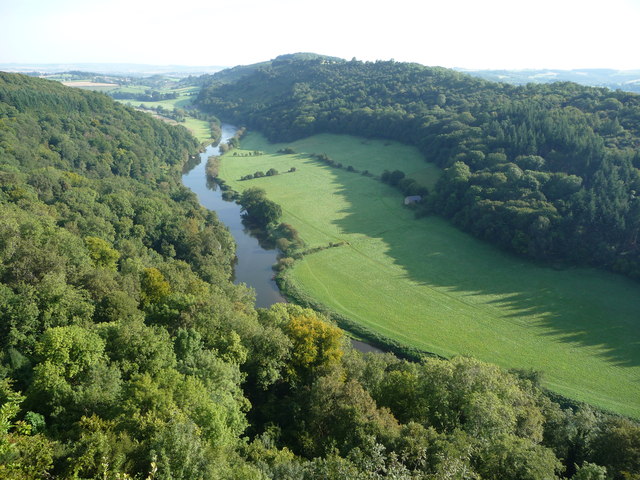
The River Wye has a tranquil beauty, but what isn’t obvious to a casual observer is the disappearance of water crowfoot (Ranunculus), the white-flowered plant that is so symbolic of our great river. Water crowfoot is a keystone species. It provides shelter, food and spawning habitat for fish, insects and other wildlife, and it’s a major reason the Wye is protected as a Special Area of Conservation. Experts estimate that over 90% of the Wye’s water crowfoot has been lost in the last decade.
What has been all too visible over the years is the green algal bloom that at times has covered our river. It cuts out sunlight, which suppresses the growth of plants and harms fish. When the algae die, they sink and coat gravel riverbeds in slime, smothering the places where fish lay their eggs. Low river levels during recent heatwaves have made the problem worse.
Friends of the River Wye are working to understand and reverse this loss. To help them you can contribute your recent and historic photos of Ranunculus Water Crowfoot here.


Communities all along the river, including ourselves, have been raising the alarm and calling for agencies to take immediate remedial action. The local and national media are now paying more attention. Although the 2021 live documentary “Rivercide” covered many rivers in England, it was mostly filmed on the banks of the Wye.
Pollution sources
Agricultural pollution
The causes of pollution in the River Wye are complex, but the main sources of nitrate and phosphate pollution are well understood. Government source apportionment modelling, published in Defra’s River Wye Action Plan (April 2024), attributes 72–74% of phosphorus in the river to agricultural land. Regulated sewage discharges account for 21–23%, and storm overflows for 1–2%. Most agricultural pollution is run-off from farmland, where water and soil erosion carry chemical fertiliser and manure into watercourses. Large areas that were once orchards and pastures, with hedges and headlands, are now arable fields that send excess rainwater and nutrients straight into the Wye catchment. Soil compaction from modern farm machinery slows water absorption and speeds up run-off.
The problem is made worse by the growth of industrial-scale chicken farming along the Wye in Powys and Herefordshire. The Environment Agency’s 2025 Diffuse Water Pollution Plan puts the number of chickens in the catchment at around 23 million. A February 2026 report for The Wildlife Trusts found that other official estimates approach 30 million. Much of the manure from these birds has been spread on farmland in the catchment.
In October 2021, Avara Foods, the largest poultry producer in the catchment, admitted at a Nutrient Management Board meeting that it was part of the problem and had a responsibility to find solutions (The Times, 12 October 2021). Avara has since said that by January 2024 it was exporting 76% of the poultry manure from its farms out of the Wye catchment, or using it for energy, and that it had stopped selling manure for use as fertiliser within the catchment (Poultry News article, 15 February 2024).
Legacy phosphate
In May 2022, the Lancaster University-led RePhoKUs report found high levels of “legacy phosphate” in Herefordshire soils. Around 6,500 tonnes of phosphate enter the catchment each year as animal feed and fertiliser, but only around 3,100 tonnes leave. The result is a surplus of around 3,000 tonnes a year, mostly from manure. Each time it rains, some of this stored phosphate washes into our rivers. The report found that the catchment would need to cut fertiliser imports by 75% and export 80% of pig and poultry manure to bring phosphate into balance.
In May 2022, the Environment Agency and Natural England revised their target phosphate levels downwards for both the Wye and the Lugg. The lower targets reflect near-natural conditions for the rivers. In May 2023, Natural England downgraded the condition of the River Wye Special Area of Conservation to “unfavourable – declining”, with excess phosphorus named as the main cause.
Government action
Defra’s River Wye Action Plan (April 2024) includes up to £35 million in grants for on-farm poultry manure combustors, funding for slurry storage upgrades, and payments for riverside buffer strips. It also proposes that permitted poultry farms may only send manure to farms where it won’t exceed crop and soil needs.
Sewage
The second main source of pollution is ageing sewage treatment works that discharge into the Wye catchment. Dŵr Cymru Welsh Water says it invested more than £76 million in reducing nutrients in the Wye, Lugg and Usk between 2020 and 2025 (The Guardian article, 8 October 2025).
Herefordshire Council is not the regulator for river water quality, and it cannot take enforcement action against polluters. That is the role of the Environment Agency and Natural Resources Wales. However, the council has taken action. It built the Luston Integrated Constructed Wetland, which removes phosphate from treated sewage. The council describes it as a world first, and it has won an award. In 2024 construction started for second wetland at Tarrington, and a third is planned at Dilwyn Common.
What are we doing?
We are campaigning to make sure that those with the power to act are seen to act. The Environment Agency has the legal powers to prosecute polluters, but it rarely uses them. In 2024/25 it carried out 183 farm inspections in the Wye area. These led to 78 enforcement responses, all of them warning letters or site warnings, and not a single penalty (Ross Gazette, January 2026). Fine words and encouragement are not making the Rivers Wye and Catchment healthy.
CPRE Herefordshire and partners set up the River Wye and Catchment citizen science project because the evidence needed for faster action didn’t exist. Cardiff University and the Environment Agency helped design the testing methods. We have had a massive response, with more than 500 volunteers testing water quality throughout the Wye and Lugg catchments. Together with the Wye Salmon Association and Friends of the River Wye, citizen scientists have taken over 50,000 water samples since 2020. They monitor more locations, more often, than the government agencies do.
To get an overview of the problem and view our sampling points, please see our interactive layered map which is a joint venture with our environmental partners. (There’s a lot of data so it may take a few moments to upload!).

The data helps the Environment Agency and other regulators find where pollution is coming from so it can be tackled at source. The Environment Agency has used the data in its reports, and it is shaping the major water plans for the catchment. All the results are open source and free for anyone to view on Wye Viz, which has been viewed more than 100,000 times.
Our planning volunteers also object to developments that would harm the river.
And our hedgerow volunteers help plant and restore hedges around the country.
Find out about our Hedgerow Heroes
What you can do
The evidence is clear: river gravel beds covered in slime, algal blooms across great stretches of the river, and fish dying in hot, low-flow summers. Now is the time for all of us to act.
We need to speak with one voice and demand action, not words. Some of the solutions in farming also help to meet climate change goals, so there is no reason to delay. Some parts of the farming industry will face higher costs, but what price do we put on a clean and thriving River Wye?
Here’s how you can help:
- Write to your MP. Ask them to press for action to save the River Wye, and to make sure the new water regulator has the funding and powers to enforce the rules on agricultural pollution.
- Contact Herefordshire Council and the Environment Agency. Tell them your concerns, call for action, and show your appreciation for the positive steps being taken.
- Sign petitions. From time to time we highlight petitions calling on the UK and Welsh governments to act. You’ll find these on our Facebook, X and Instagram feeds. Please follow, like, comment and share our posts to grow awareness of the issues facing our countryside.
- Join our citizen science project. Help measure pollution in rivers and streams across Herefordshire and pinpoint where it is coming from. You don’t need any experience, and you can choose how, where and when you take part.
- Support our work by becoming a member.
The River Wye is one of England’s great rivers, and it brings tourism and income to our county. We need your voice to help protect it.
Useful contacts
- Jesse Norman MP Hereford & S. Herefordshire: jesse.norman.mp@parliament.uk
- Ellie Chowns MP N. Herefordshire: ellie.chowns.mp@parliament.uk
- The Environment Agency: enquiries@environment-agency.gov.uk