

 Contact us
 Visit CPRE.org
 Donate
50,000 tests and counting: what citizen science reveals about the River Wye
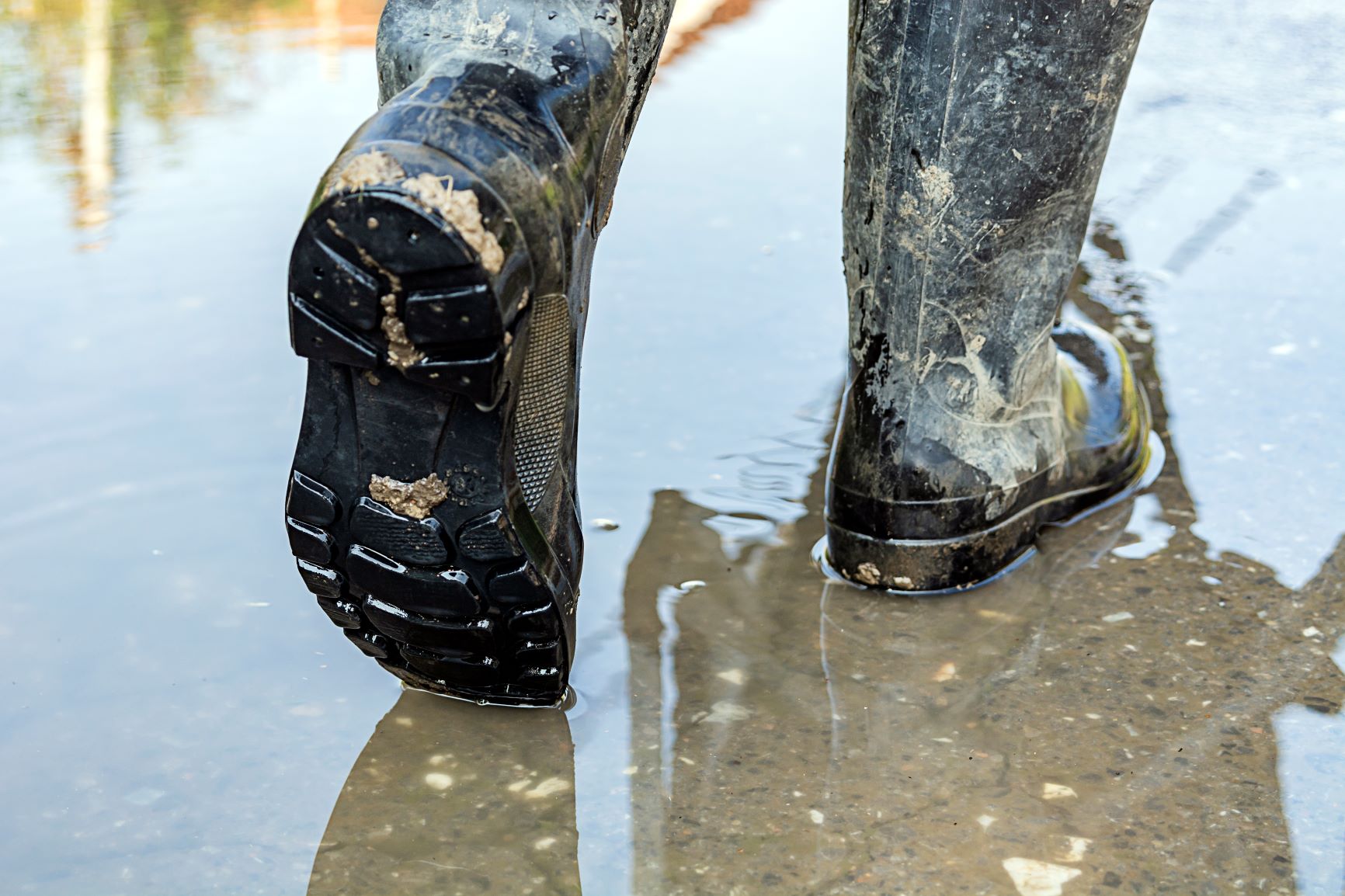
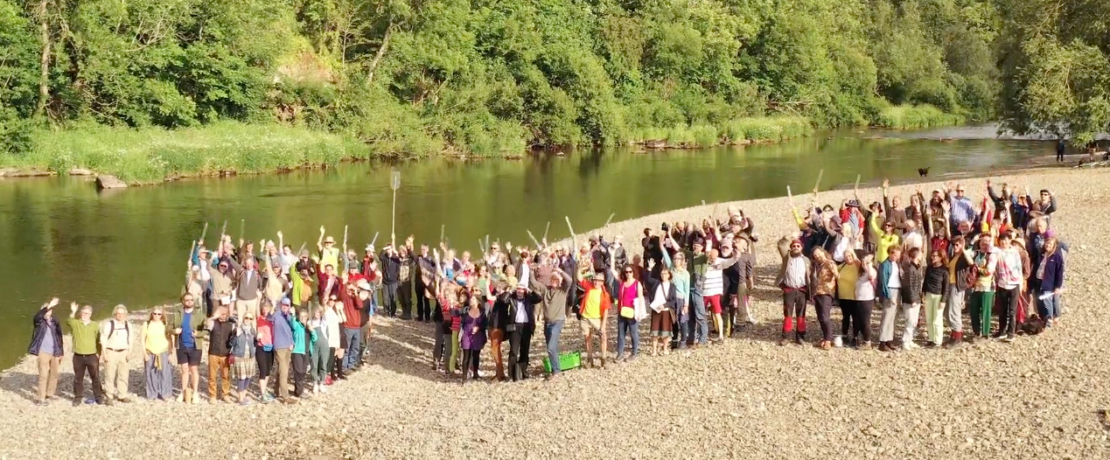
The River Wye Citizen Science project has hit an amazing milestone: over 500 local volunteers have conducted more than 50,000 water quality tests across the Wye catchment. This provides a detailed view of our iconic river’s health. However, this achievement highlights continued concerns about farming pollution and wastewater discharge practices.
All results are publicly available via WyeViz, a shared data platform that has been viewed over 100,000 times. This transparency helps communities, agencies, and policymakers identify pollution hotspots and track trends. In 2025 alone, 28% of samples were rated as ‘poor’ or ‘very poor’ for phosphate quality, while 50% showed very high nitrate levels. These figures highlight long-standing concerns about agricultural impacts on watercourses. Turbidity (cloudiness from soil run-off) also rose since 2022, indicating higher sediment inflows that can harm spawning grounds and carry pollutants. Read more about the results in a recent Friends of the Wye article here.
Why this data is critical
The River Wye is one of Britain’s key natural features. It flows from the Welsh mountains through Hereford and beyond. This river is a Special Area of Conservation, home to salmon, otters, birds, and rare aquatic plants. Yet, it repeatedly fails national and international water quality standards, mainly due to nutrient pollution from farming and urban pressures.
Citizen science is crucial as government monitoring is limited. Volunteers provide regular sampling that pinpoints where problems are most serious and where change is needed. You can read more about how the Wye Alliance and how the Environment Agency values the data here.
As Andrew McRobb, CPRE Herefordshire Director, stated:
“We started this monitoring because agencies said they lacked data. We’ve delivered data in spades, and they need to act. Five years of work by volunteer citizen scientists has provided evidence for agencies and led to government funding a much-needed Wye Catchment Plan. We can identify problems, but only government agencies can enforce necessary actions for real change.”
A wider story: sewage sludge and farming pollution policies
While local citizen scientists highlight nutrient pollution in the Wye, national reporting has exposed additional issues around waste, agriculture, and river health, particularly the use of sewage sludge (biosolids) as a fertiliser on farmland.
An investigation published in July 2025 by The Guardian reveals that millions of tonnes of treated sewage sludge are spread on UK farmland every year, under outdated regulations that only require testing for a few heavy metals. This ignores a wider range of contaminants like PFAS “forever chemicals”, microplastics, pharmaceuticals, and flame retardants. Read the article here.
In other articles, an insider from the Environment Agency described the current approach as a “deliberate and ongoing cover-up.” They accused regulators and the government of prioritising industry interests over public and environmental safety. Allegations suggest significant research showing harmful contaminants was buried rather than acted upon. Read the article here. Another report shows that government ministers ignored repeated warnings from Environment Agency staff to tighten sludge oversight. Officials noted that almost all microplastics entering sewage works end up in sludge that reaches farmland. Yet, regulatory reform has stalled, leading critics to compare the situation to “fly-tipping” of contaminated waste on agricultural land. Read this article in full here.
How all this links back to the River Wye
The sewage sludge issues are significant locally due to how nutrient and chemical pollution spreads: fertiliser inputs, soil run-off, sludge applications, and other diffuse sources all impact freshwater systems.
Nutrients like phosphate and nitrate (from manure, inorganic fertilisers, or biosolids) fuel eutrophication. This leads to algal blooms that deplete oxygen in the water and harm fish and invertebrates. Our citizen science data shows this is an ongoing issue in the Wye catchment.
Moreover, many contaminants in sludge are unregulated, which means they could enter soils and waterways unchecked, posing long-term ecological and potential human health risks.
Where we go from here
The achievements of our volunteer citizen scientists show what’s possible when communities unite and apply real data to environmental challenges. But they also highlight the ongoing work needed to protect rivers like the Wye from pollution linked to farming practices and weak regulations.
As government departments review pollution controls, and public debate about sewage sludge regulations continues, local evidence from projects like ours is vital, not just as statistics, but as a strong call to action for cleaner rivers, healthier ecosystems, and better environmental accountability throughout the food and water systems. We need action from The Environment Agency and Government now.
Thanks to all of our fantastic citizen science volunteers.
You can support this project by becoming a member of CPRE Herefordshire or donating to our charity.