

 Contact us
 Visit CPRE.org
 Donate
The birthplace of British tourism: the River Wye
The birthplace of British tourism: the River Wye.
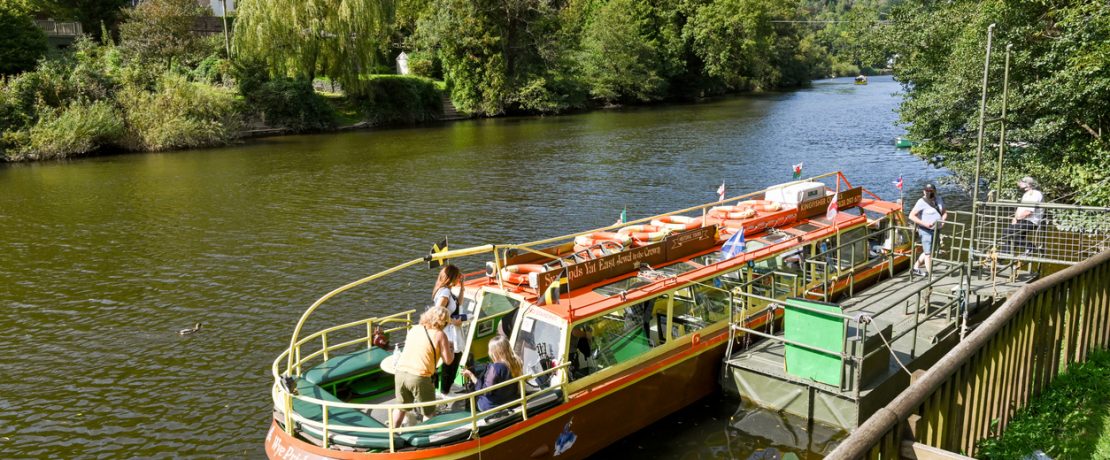
The River Wye winds through the Herefordshire countryside, home to a rich variety of wildlife. It is also known as the birthplace of British tourism.
How the Wye Tour began
Around 1750, the Rev. John Egerton, rector of Ross from 1745 to 1771, had a boat built to take his guests on trips down the river. These outings grew into the Wye Tour, a journey downstream from Ross-on-Wye to Chepstow that is often described as Britain’s first package holiday (Wye Valley National Landscape).
In the summer of 1770, the artist and writer William Gilpin made the trip. His book Observations on the River Wye, published in 1782, was one of the first to describe how to look at a landscape for its “picturesque” beauty, and it made the Wye Tour fashionable (Wikipedia).
The Picturesque Wye Tour
Tourists stopped at set viewpoints and romantic sights along the way, such as the ruins of Tintern Abbey, and ate at recommended inns. Better roads, the promise of healthy air and the chance to discover a less familiar part of the country all drew visitors. William Wordsworth walked along the Wye, and his poem “Lines Composed a Few Miles above Tintern Abbey” (1798) made the abbey even more famous.
The tour was at its most popular during the wars with France from the 1790s to 1815, when war made the European Grand Tour impossible and Britons were encouraged to holiday at home. By 1850, well over twenty guidebooks to the Wye had been published (Wye Valley National Landscape).
The Wye today
Tourism is still worth around £100 million a year to the Wye Valley, according to the Wye Valley National Landscape. But the river that inspired the first British tourists is now under serious threat from pollution. We’re working hard to protect it.
You can download the Picturesque Wye Tour brochure from the Wye Valley National Landscape website.
Find our about our Citizen Science project to help save the River Wye and Catchment