

 Contact us
 Visit CPRE.org
 Donate
CPRE Herefordshire signs the Charter for the River Wye
CPRE Herefordshire has endorsed the Charter for the River Wye, with trustee Paul Lodge representing our charity at the launch.
The Charter is a shared statement of intent backed by councils and conservation groups across the Wye catchment. It is a declaration of principles committing partners to work together on the river’s long-term recovery.
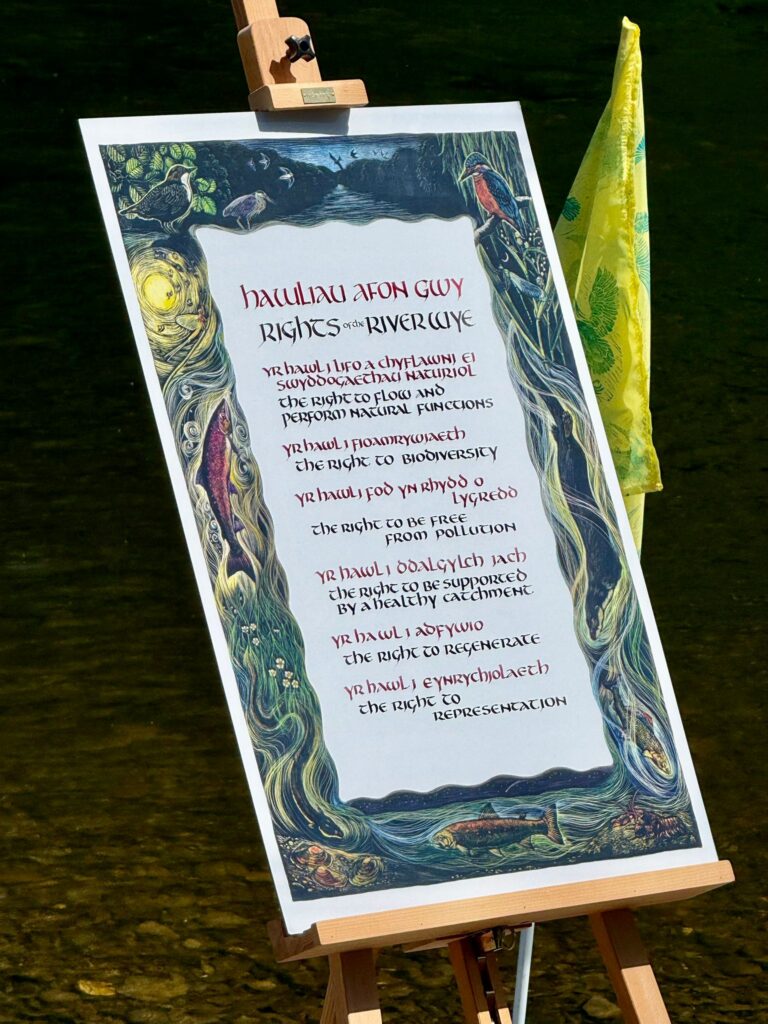
What is the Charter for the River Wye?
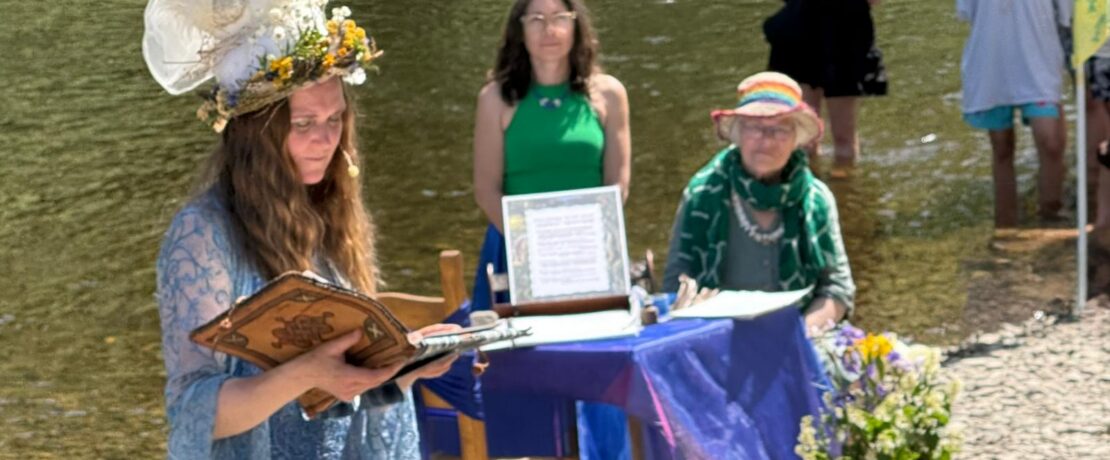
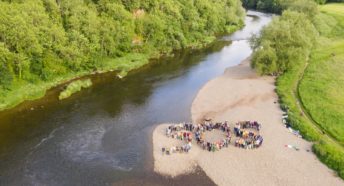
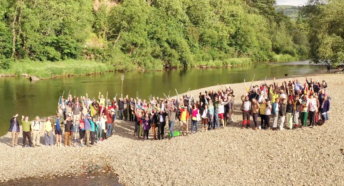
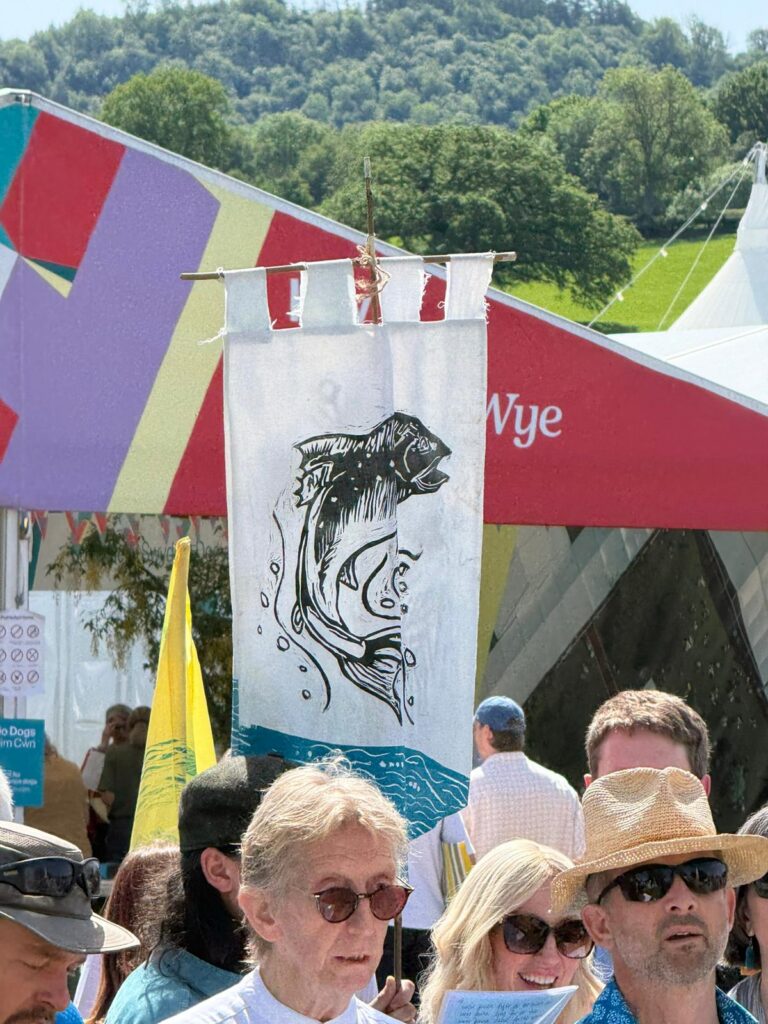
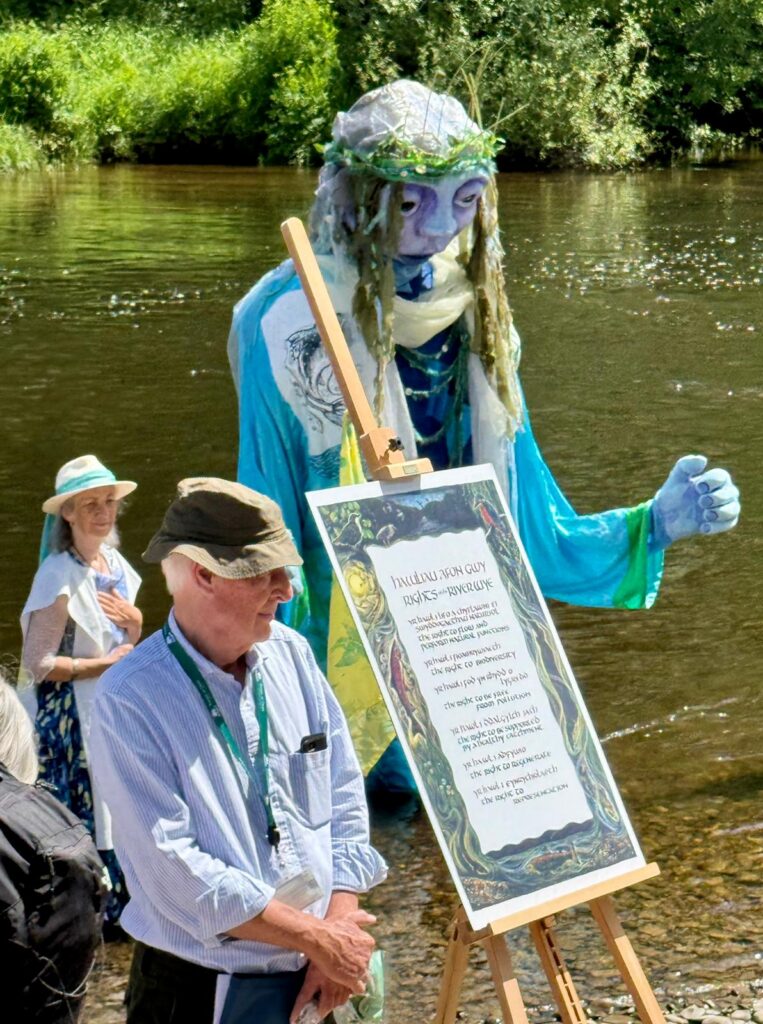
The Charter sets out shared principles recognising the river’s value to nature, communities and future generations, and asks organisations to act at a whole-catchment scale. Developed in 2025 by a working group of residents, councillors and environmental groups, it was launched on 24 May 2026. At a riverside ceremony near Hay-on-Wye, featuring the Climate Choir and a symbolic appearance of the Goddess of the River Wye, curated by ceremonialist Vey Straker, known as Lady Wye. It is the first coordinated attempt to align local authorities across the full catchment behind a shared “rights of rivers” approach. Other supporters include Herefordshire Council, Forest of Dean District Council, Wye Valley National Landscape, Powys County Council and Bannau Brycheiniog National Park Authority.
A shared charter, not a law
This distinction matters. The Charter creates no legal duties and does not override statutory responsibilities such as planning, regulation or enforcement. In its Executive Response of March 2026, Herefordshire Council confirmed it had “adopted the Charter as a factor to be considered in policy development and decision-making in respect to council functions,” and that “there are no financial implications identified as a result of this decision.”
Herefordshire Council’s Deputy Leader and Cabinet Member for Culture and Environment, Councillor Swinglehurst, said: “Supporting the Charter is about standing alongside our partners and communities in recognising the river’s importance, and committing to work together on its long-term recovery. It doesn’t change our legal responsibilities, but it does strengthen the shared direction and ambition we all need if we are to make real progress.”
Is the Charter for the River Wye legally binding?
No. It is a voluntary charter that commits signatories to cooperate on the river’s recovery but creates no legal duties; only government legislation can do that. CPRE Herefordshire will continue its monitoring and press for the enforcement that only government agencies can deliver.
In other Wye News:
Sondes and citizen science
Water quality monitoring is expanding. The Environment Agency has deployed monitoring sondes, probes that transmit water chemistry data in real time, plus auto-samplers across the Wye, Lugg and Arrow. You can see the data gathered by the sondes, with a downloadable guide to using the website here.
Farmers’ plan to restore the Wye and Lugg
The Wyescapes project plans to restore nature across 5,012 hectares (around 50 km²) of the Wye and Lugg corridors between Leominster and Symonds Yat have been submitted to Defra under the Landscape Recovery programme. Led by Herefordshire Rural Hub with Herefordshire Meadows, Herefordshire Wildlife Trust and The Wye and Usk Foundation, it proposes 2,000 acres of floodplain meadow and species-rich grassland, 330 acres of woodland, 220 acres of wetland and 22 kilometres of new hedgerows, plus improved public access and a schools’ programme.
Early promise from a gypsum soil trial
Herefordshire Council has reported encouraging early results from a trial with Lancaster University testing whether gypsum, a naturally occurring calcium-based mineral, can cut phosphorus reaching rivers. In laboratory tests on Herefordshire soils, recycled gypsum reduced the phosphorus easily lost to water without reducing the phosphorus available to plants. The idea came from regenerative farmer Ben Taylor-Davies of Townsend Farm, Ross-on-Wye. Field-scale trials on working farms will follow.
Sources